

Experience an Authentic Tulip Farm
Step onto a working tulip farm and witness the extraordinary journey that transforms tiny bulbs into the vibrant flowers that brighten homes and gardens worldwide. This is where generations of Dutch farming knowledge comes alive.
Have you ever wondered what happens before those colorful tulips appear in your local supermarket or garden center? The answer lies in the fields, barns, and greenhouses of authentic tulip farms, where dedicated growers nurture millions of bulbs through a remarkable year-round process.
A tulip farm visit offers something you simply cannot experience anywhere else: direct access to the complete production cycle, from October planting through spring harvest and winter forcing operations. You will walk through the actual fields where tulip bulbs develop, tour the facilities where harvested bulbs are cleaned and sorted, and discover how growers coax blooms from bulbs months ahead of natural season.
Why Choose a Tulip Farm Visit?
A tulip farm tour goes far beyond simply admiring pretty flowers. Here is what makes this experience stand out from typical tulip gardens or festival events:
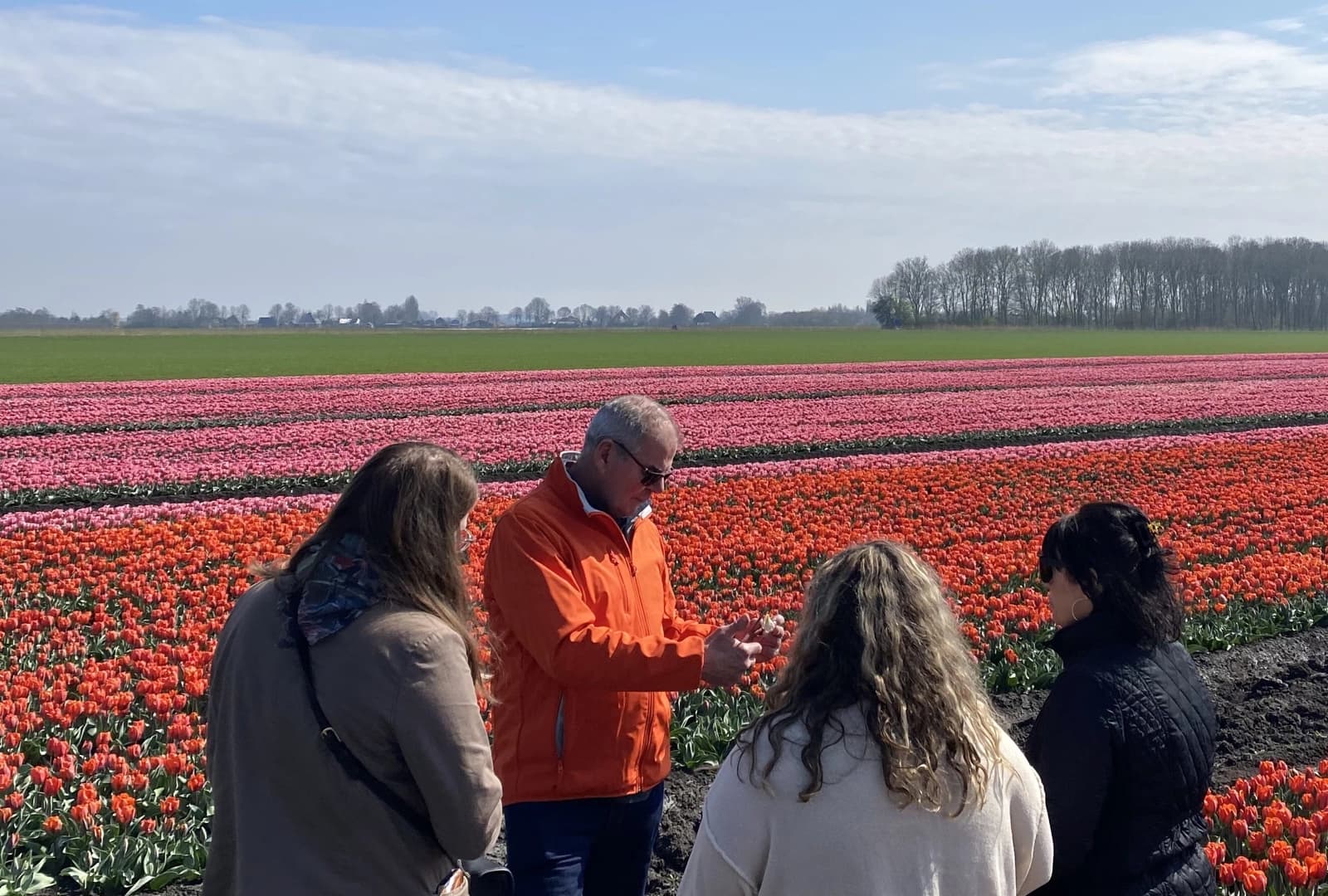
Expert-Guided Tours Through Working Facilities — Walk through tulip barns and forcing greenhouses with knowledgeable guides who explain cultivation techniques developed over generations. Learn how growers detect diseases, manage watering schedules, and time their harvests for maximum bulb quality.
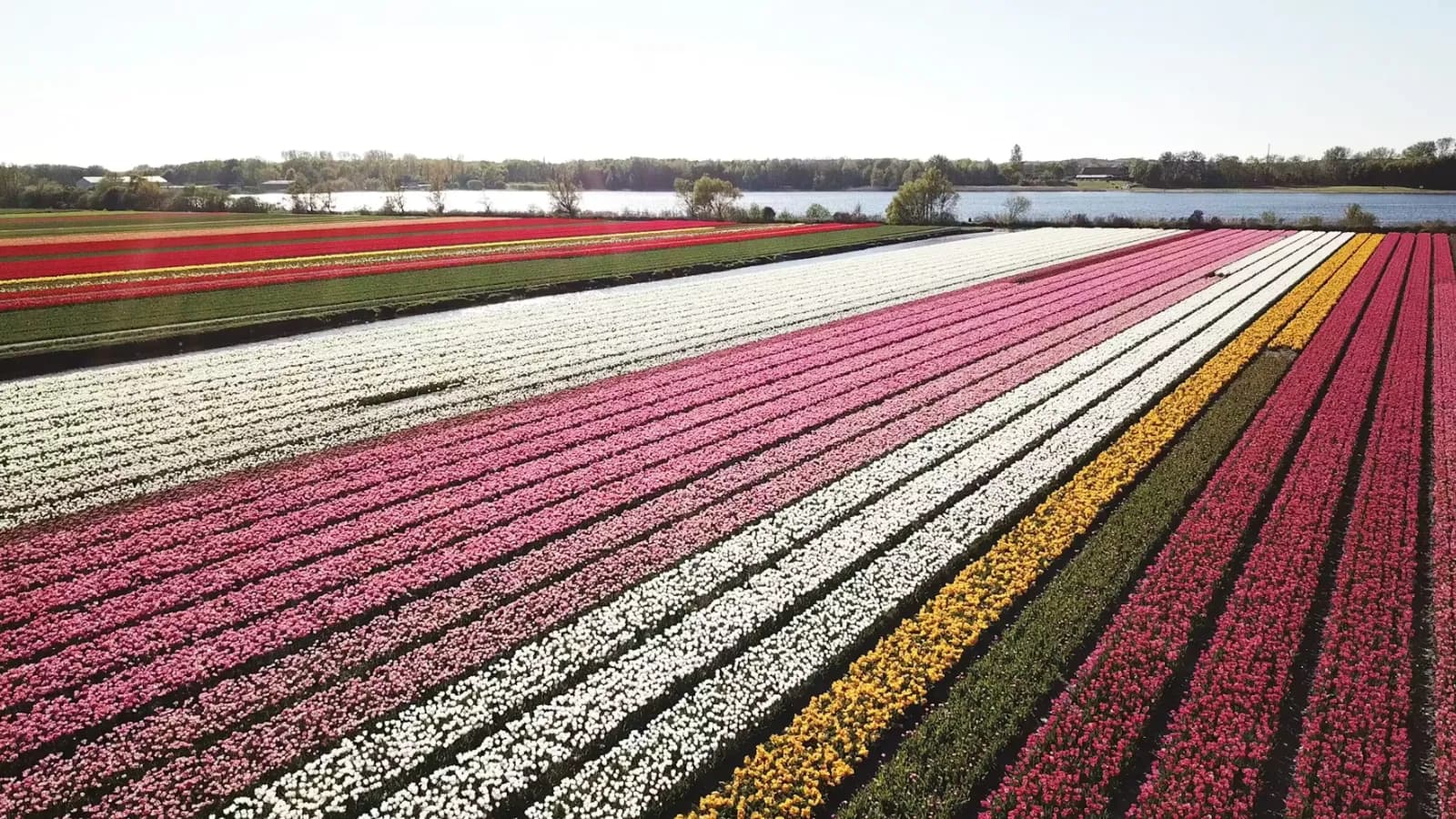
Deep Dive Into 100+ Tulip Varieties — Discover the fascinating history behind different tulip varieties, their unique characteristics, and the modern growing methods that produce consistent results. From classic reds and yellows to rare breeding specimens, you will see the full spectrum of colors that make tulips so captivating.
Family-Friendly Activities for All Ages — Children love tractor rides through the fields, playing in designated garden areas, and participating in flower picking experiences. These hands-on activities transform a farm visit into genuine family fun that creates lasting memories.
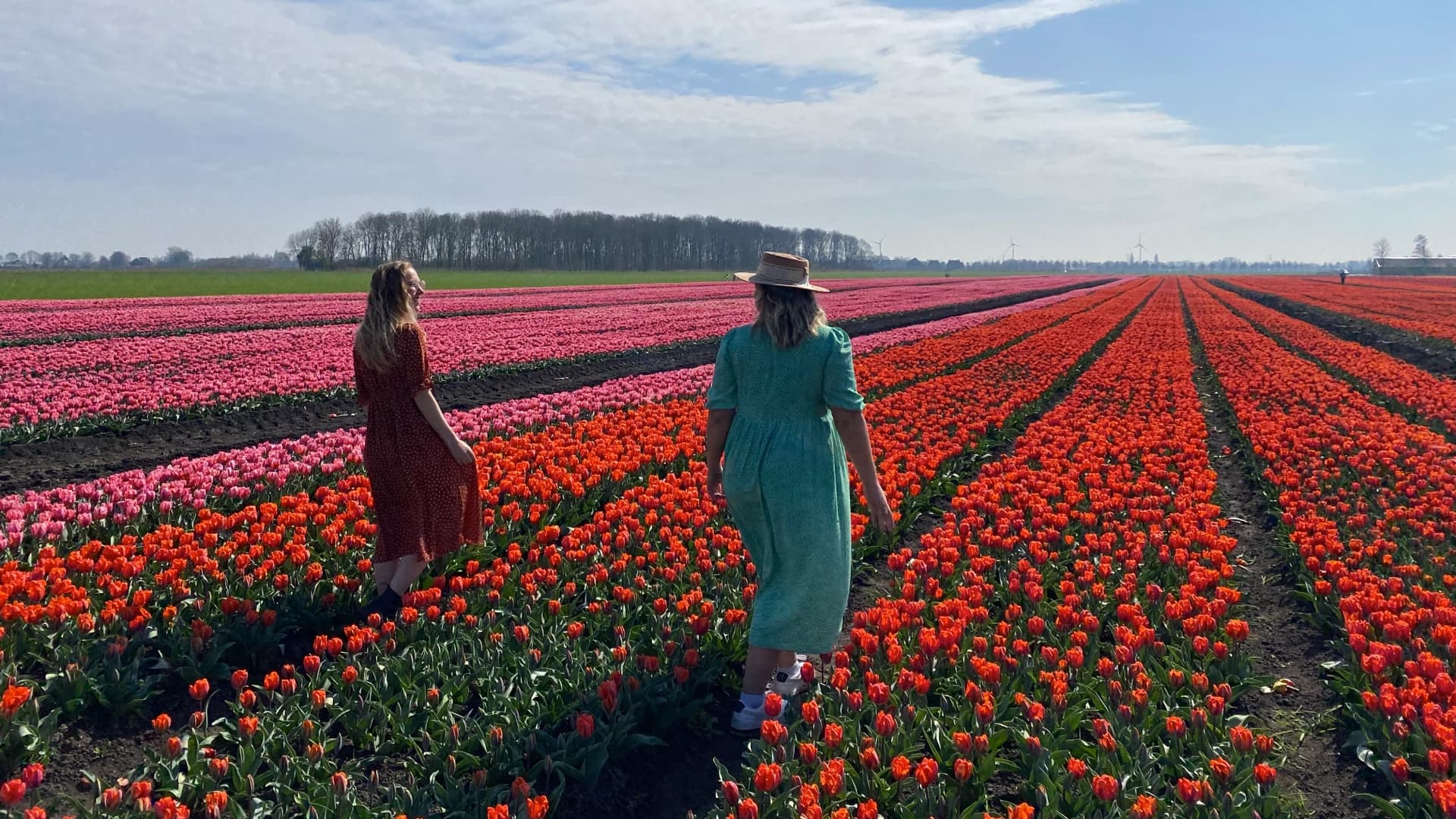
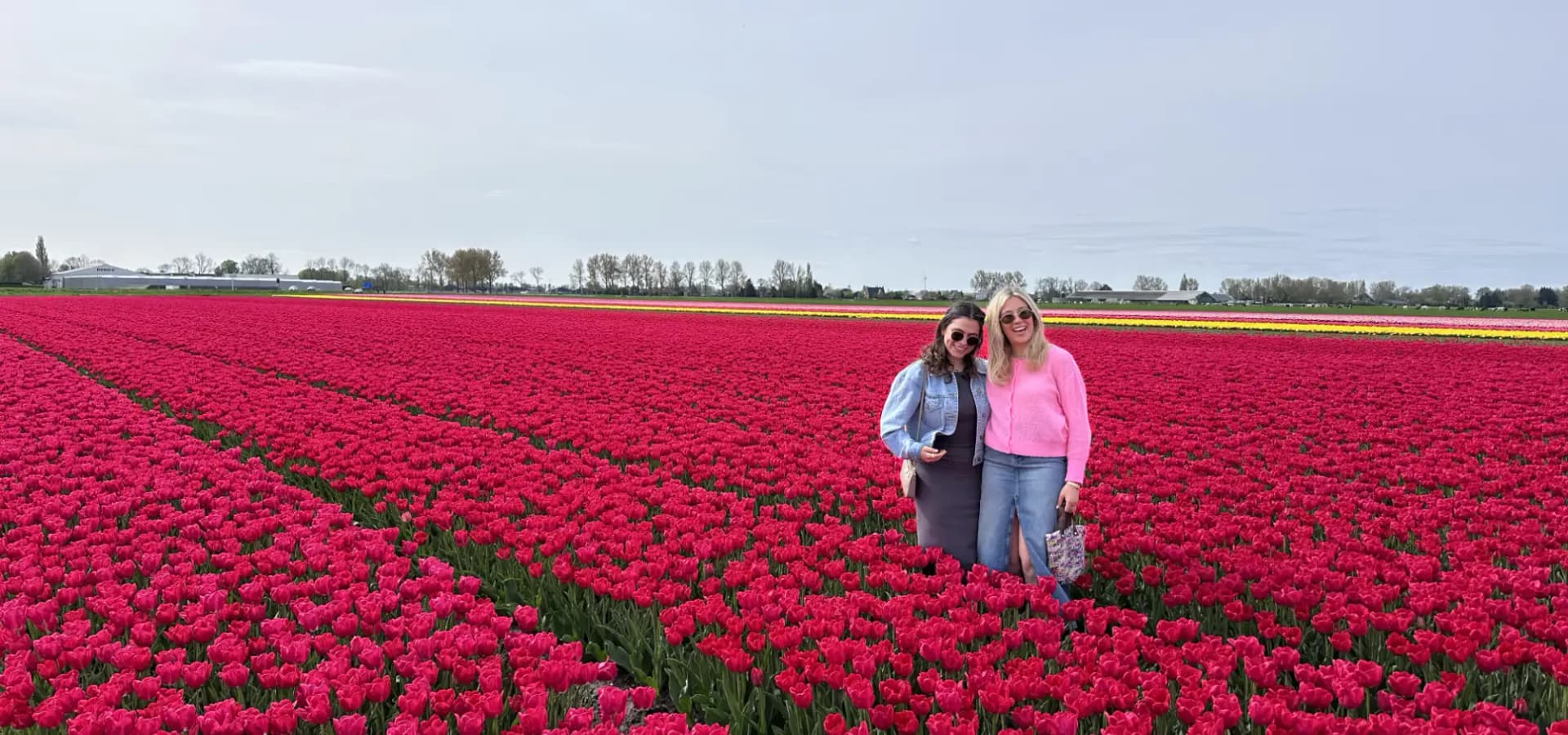
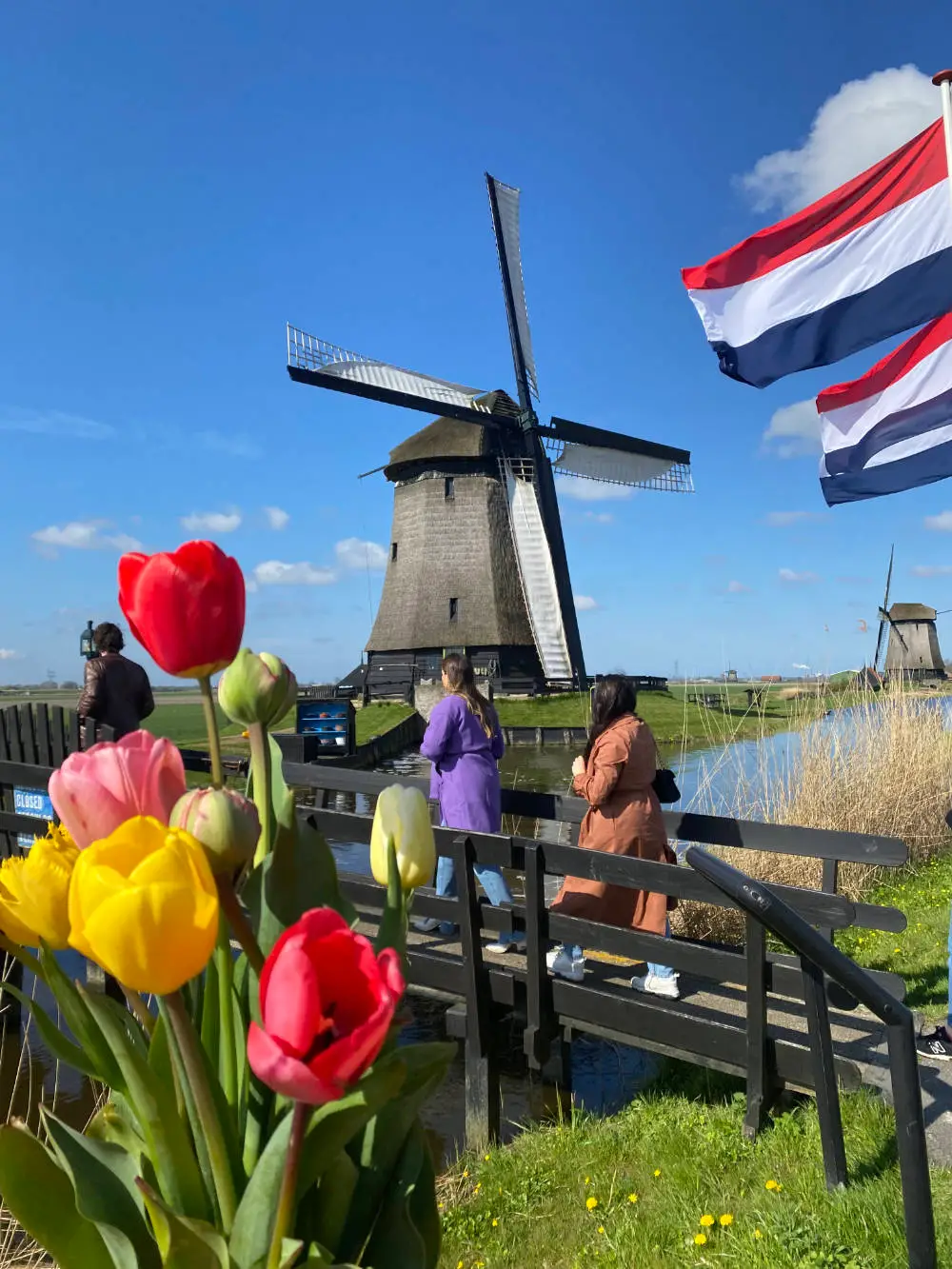
Endless Photo Opportunities — Expansive tulip fields stretching toward the horizon provide dramatic backdrops for photography. Many farms offer props and designated photo spots where visitors capture stunning images amid thousands of blooming flowers.
Year-Round Educational Programming — Understand the complete cycle from October planting through summer harvest. Spring visits showcase fields in bloom, while off-season tours reveal the fascinating forcing process that produces winter tulips for supermarkets worldwide.
How Your Tulip Farm Experience Works
Step 1: Arrival and Welcome
Your experience begins with a warm welcome from the farming family. You will receive an introduction to the farm's history, the scale of operations — some farms grow over 8 million tulip bulbs across 20+ football fields — and an overview of what you will discover during your visit.
Step 2: Guided Tour Through Barns, Greenhouses, and Fields
This is where the magic happens. Expert guides lead you through the various areas where tulips are grown, harvested, and processed. During spring, you will walk among rows of blooming flowers stretching as far as the eye can see. During other seasons, you will explore barns where bulbs are cleaned, sorted, and prepared, plus greenhouses where the forcing process produces off-season blooms. Guides explain everything from planting depths (10–15 cm for optimal growth) to the critical 15–16 week cold period required for flower development.
Step 3: Hands-On Activities and Farm Interaction
After absorbing the educational content, it is time to participate. Choose from tractor rides through the fields, pick your own tulips to bring home (seasonal availability), or enjoy the children's play areas surrounded by natural beauty.
Step 4: Explore Additional Attractions
Complete your day by visiting on-site farm shops featuring tulip bulbs, fresh products, and local specialties. Many visitors enjoy coffee and lunch at farm cafés before exploring nearby attractions like the Tulip Experience Amsterdam or the Tulip Barn. These additions transform a single farm visit into a full day of tulip-focused discovery.
What Visitors Are Saying
"We had no idea so much work goes into producing tulips! The guided tour through the barns and greenhouses was fascinating. Our kids loved the tractor ride, and we all learned things we never expected." — The van der Berg Family, Amsterdam
"I've attended tulip festivals before, but visiting an actual working farm was completely different. Seeing how growers force bulbs to bloom in winter was incredible. The farmer's passion for his work made every explanation memorable." — Sarah M., United Kingdom
"Perfect activity for our multi-generational family. Grandparents appreciated the educational depth, teenagers enjoyed the photo opportunities, and younger children had a blast in the play areas." — The Johnson Family, California
How the Tulip Process Works
From Bulb to Bloom
The tulip process begins in October and November, when all tulip bulbs are planted. Each year, more than 19,000 football fields worth of tulips are planted across the Netherlands. From this moment, the bulb enters the cold period — research shows that a tulip needs approximately 15 to 16 weeks of cold to properly form a flower inside the bulb.
When spring arrives, the tulip slowly comes to life. Tulips can tolerate temperatures down to about −10°C, which is why bulbs are planted at a depth of 10 to 15 centimeters. In early March, the tulips emerge from the ground. This is a critical time for growers, as they can already detect viruses — diseased plants are immediately removed to prevent infection of healthy tulips.
After the Bloom: Redirecting Energy
Once the tulips bloom, the grower removes the flower heads, leaving only the stem and leaves. For about five to six weeks during summer, these leaves send all energy back into the bulb. This is the most important phase: the longer the plant survives and produces energy, the larger the bulb grows — and larger bulbs mean higher value.
Harvest Time
In July, the bulbs are harvested, sorted, and prepared for distribution. Large bulbs are sold worldwide for garden planting or used for greenhouse forcing, while smaller bulbs are replanted to restart the cycle.
Tulips in the Supermarket
You might wonder how tulips end up in supermarkets as early as January. Growers simulate winter and spring 3 to 4 months earlier by placing bulbs in cold storage after harvest, then moving them into heated greenhouses at around 17°C. Within three weeks, the tulips bloom and are shipped to supermarkets worldwide.
This system was developed in the 1970s, when a group of growers noticed that during warm springs, people preferred going to the beach rather than buying flowers. In winter, however, people stay indoors and want to brighten their homes. A brilliant insight — and the reason you can enjoy Dutch tulips from December through May.
Mike's Family Farm
Mike, the founder of Tulip Tours Holland, comes from a true tulip-growing family. His father owns a tulip business, now being taken over by his brother. More than 20 football fields are cultivated with 20 different tulip colors, totaling over 8 million tulip bulbs. During some of our tulip tours, we visit the fields of Mike's brother — an experience you won't find anywhere else.
Did you know there is a tulip show? It is called De Drieban Flora in Venhuizen. Originally started as a trading event where growers and exporters came to purchase and showcase new cultivars, the show is still held today. From February 12 to February 15, 2026, the Drieban Flora can be visited in Venhuizen.
Visit Options & Experiences
🌷 Spring Bloom Tours (March–May) — Experience tulip fields at their most spectacular during peak season. End of March sees first emergence, with full bloom typically mid-April through early May.
🏠 Year-Round Farm Visits — From January through May, visit forcing greenhouses at operations like Pronk Tulpen in De Goorn, where bulbs are coaxed into winter blooms. Autumn visits reveal October and November planting operations.
👨👩👧👦 Private Group Experiences — Perfect for families, school groups, corporate outings, or special occasions. Customized tours with personalized attention and activities designed around your interests.
🎁 Optional Add-Ons — Enhance your visit with flower picking experiences, farm lunch packages, and take-home tulip bulbs ready for planting in your own garden.
Book Your Tulip Farm Tour from Amsterdam →Frequently Asked Questions
🔹 When is the best time to visit a tulip farm?
Peak tulip season runs from mid-March through early May, with most varieties reaching full bloom in April. Winter greenhouse tours (January–May) reveal the forcing process, and autumn visits show massive planting operations.
🔹 What should I wear and bring?
Wear comfortable walking shoes suitable for field conditions — paths can be muddy in early spring. Dress in layers, as weather can change quickly. Bring a camera, and carry water for longer tours.
🔹 Are tulip farm tours suitable for children and elderly visitors?
Absolutely. Farms welcome visitors of all ages. Children enjoy tractor rides and play areas. Many tours can accommodate mobility needs — contact farms in advance to discuss specific requirements.
🔹 Do farms operate during winter months?
Yes. While fields rest under winter soil, growers operate busy forcing greenhouses. From January onward, visitors can tour these facilities by appointment and witness how growers simulate spring weeks before natural bloom occurs.
🔹 Is this different from attending a tulip festival?
A tulip festival provides a wonderful celebration with community events and displays. A tulip farm visit goes deeper — you see the actual business of growing tulips, meet the farmers, and access areas closed to general festival visitors. Both experiences offer joy, but farm visits deliver educational depth that festivals typically cannot match.
Book Your Spring Field Tour Today →Would you like to experience the tulip process during winter? Visit the Pronk Tulpen website and reserve your spot at the forcing greenhouse — see the entire process up close and even pick your own tulips.
